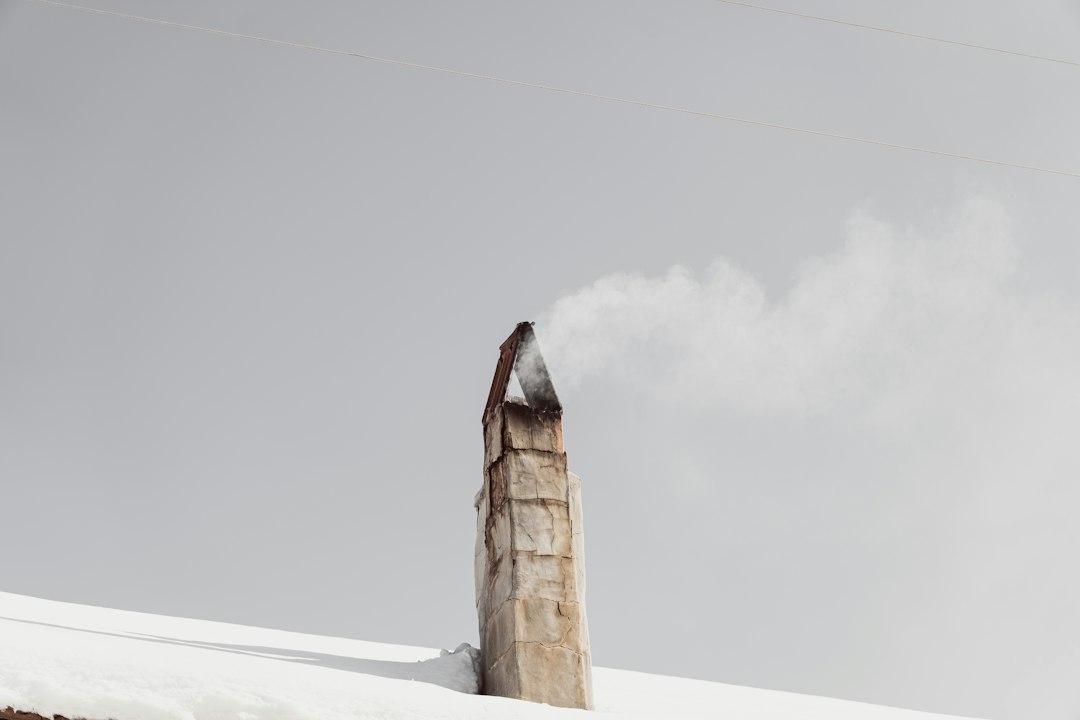
A fireplace you have never lit
Plenty of people buy their first home in West Covina and find a fireplace in the living room that they have never once used. The listing photos made it look cozy. The seller said it works fine. Nobody explained what sits above it, how old that part is, or whether it is safe to light.
Before the first fire, someone should look at the chimney. This post explains what that first look costs with Allard Chimney Group, what each price buys, and how to choose between the two inspection levels we sell. Every term is defined the first time it comes up, because nobody is born knowing what a smoke chamber is.
A few words you will see on the report
Chimney people use a small vocabulary. Here it is in plain language:
- Firebox: the brick or metal box where the fire actually burns.
- Damper: the metal flap above the firebox. Open it before a fire and close it after, so warm room air does not escape up the chimney.
- Smoke chamber: the sloped space above the damper that funnels smoke into the flue.
- Flue: the passage running up through the chimney that carries smoke and gases out of the house. In older homes it is usually lined with clay tile.
- Crown: the concrete slab that finishes the brickwork at the very top.
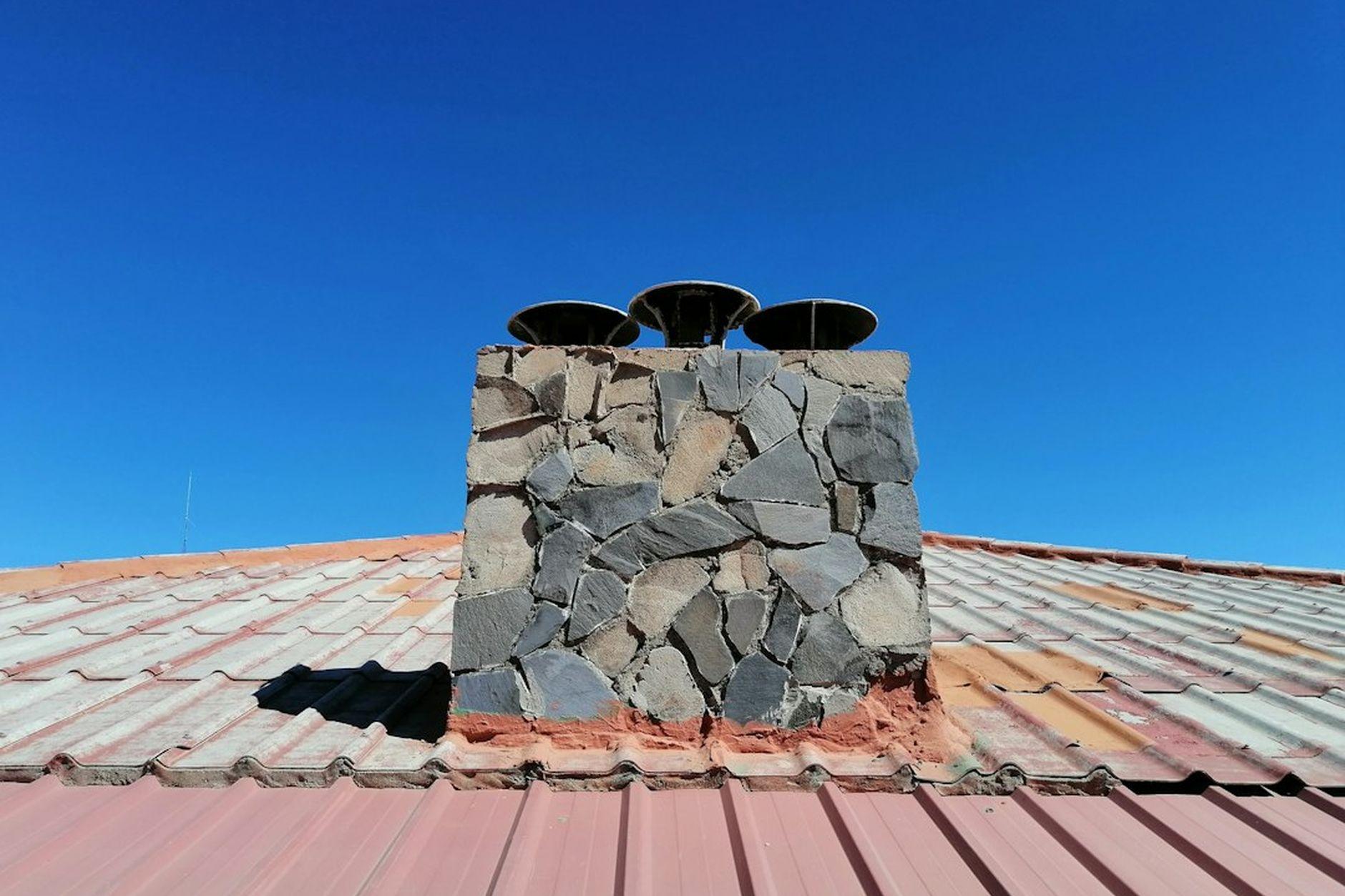
- Cap: the metal cover with mesh sides that sits over the flue opening.
- Creosote: the dark tar that wood smoke leaves on the inside of the flue. It can catch fire.
With those seven words you can follow most of any chimney report.
The two inspection prices
We sell two levels of chimney inspection, and both have fixed prices:
| Our visit | Price | Who it suits |
|---|---|---|
| Lamp-and-eyes check (Level 1) | $58 | An owner who already knows the chimney and burns the same way each year |
| Full camera inspection (Level 2) | $415 | A house new to you, a fireplace you plan to start using, or a chimney after damage |
The levels come from NFPA 211, the fire code chapter written for chimneys and vents, which ranks inspections by how deep they go. We do the first two. A third, deeper level only comes into play when there is reason to cut into the structure, and few houses ever need it.
What the $58 visit includes
At the first level the inspector relies on eyes and a good lamp. Inside the house we work the damper to see that it moves and seals, check the firebox brick and the mortar joints between the bricks, and peer up into the throat of the chimney for soot, nests or fallen tile. Outside, we stand beside the stack and judge the metal hat over the flue, the concrete slab around it, the brick above the roofline and the seal where the roofing meets the chimney.
You get a short written report with what we saw and whether the fireplace is ready to use. It suits an owner who already has a camera report on file and simply wants the yearly check.
What the $415 visit adds
The second level adds a camera. We feed a small camera up the flue from the smoke chamber to the top and record the whole run. That recording shows the inside face of the clay tiles, the joints between them and anything that has broken off or built up. We also look at the chimney where it passes through the attic, where heat marks and water stains often show first.
The report includes still frames from the recording with a caption under each one, a status line for every fireplace, and a repair list if anything needs fixing.
For a first-time owner this is usually the right place to start. You do not know how often the last family burned wood, whether the flue ever caught fire, or how the brick came through the big Southern California quakes of 1987 and 1994. NFPA 211 names a change of owner as a reason for this deeper look, and the logic holds: a new owner starts with no history at all.
Which one to book first
Book the camera inspection if any of these fit:
- You bought the house recently and have no chimney report from the purchase.
- The seller could not say when the fireplace was last used or swept.
- You have smelled smoke in another room, or seen a stain near the chimney.
- You want to switch from wood to gas, or add an insert.
The $58 visit makes sense once you hold a camera report you trust and nothing has changed since: same fireplace, same fuel, no quake, no leak.
Not sure which fits? Use the quote form with the address and a line about when you moved in and what the seller told you about the fireplace. We call back and say which level to book.
Costs that are not the inspection
The inspection price stays put. A few things can be added on the day, and you hear about them before any work starts:
- A sweep, from $445, if heavy soot or creosote hides the tile so the camera cannot judge it. A flue coated in tar cannot be graded properly.
- A second fireplace or a wood stove, which needs its own look. Mention it when booking so the visit is planned around it.
- Repairs from the report. Some have printed ranges, such as a leak repair or a cricket. A cap is quoted on site; its size and metal drive the price. Others are measured first and priced on paper.
What you end up holding
After the visit you have a dated written report with photos, in language you can follow. If you later sell the house, that report and any repair receipts become part of the story you hand the next buyer. If something needs fixing, the list shows what is urgent and what can wait.
You can read more about the deeper visit on our Level 2 inspection page or the fireplace inspection page. If the room side of the fireplace is your main worry, our post on fireplace cleaning versus a sweep sets out the difference.
Ready for that first look
Feeling unsure about a fireplace you have never used is completely reasonable. Head to our contact page, tell us a little about the house in West Covina or nearby, and we will set up the visit that fits it.
Want This Explained for Your House?
Allard visits owners who are new to fireplaces, names each part on the spot and writes down what we find. Bookings come from West Covina, El Monte, San Dimas, Glendora and the towns around them.