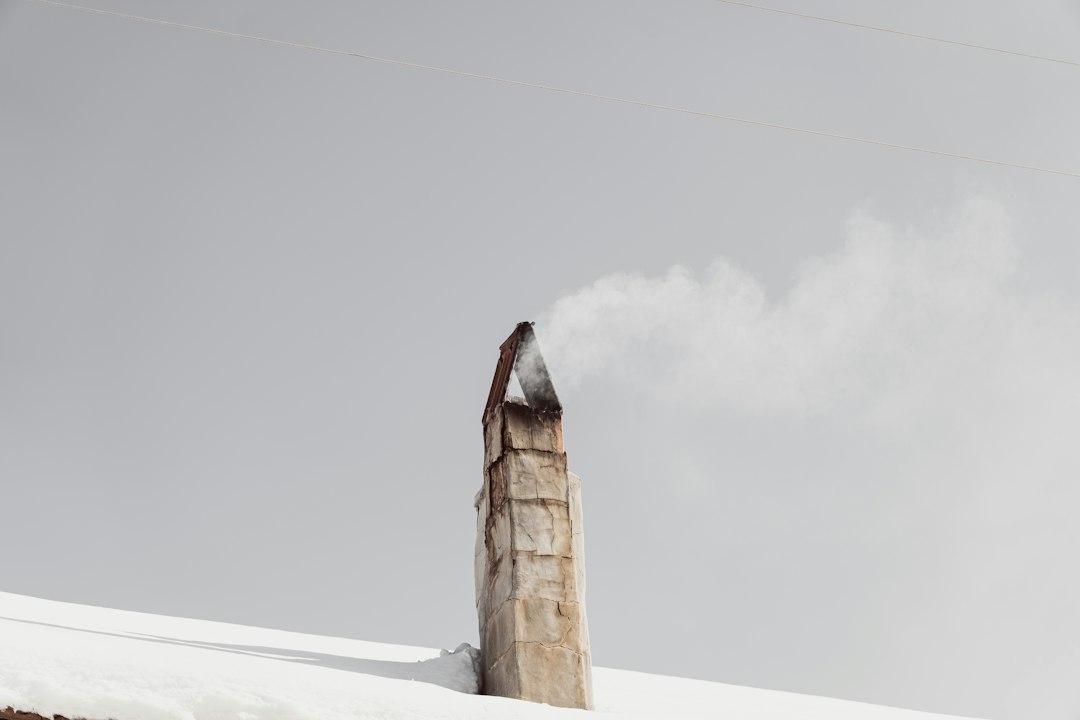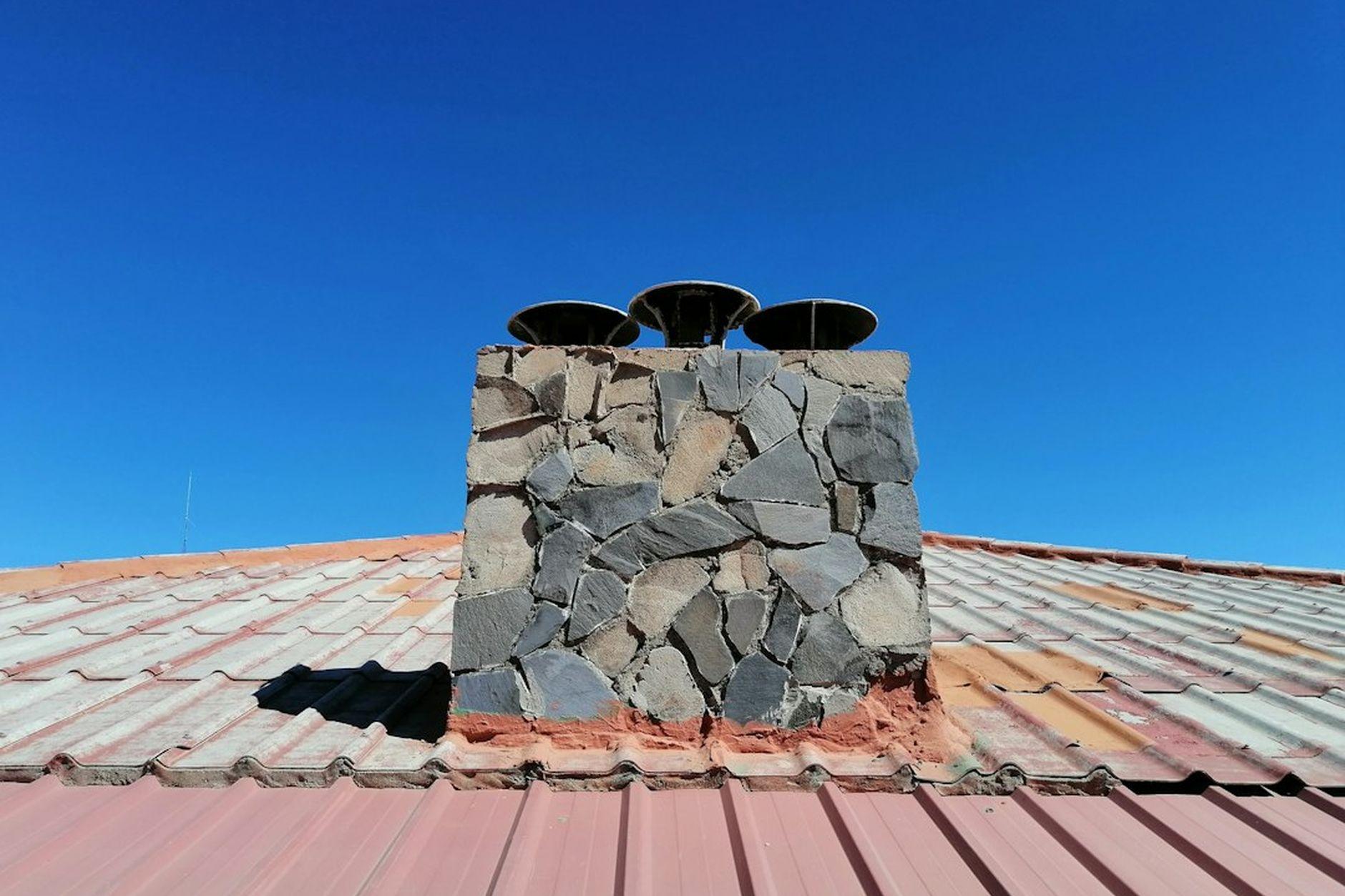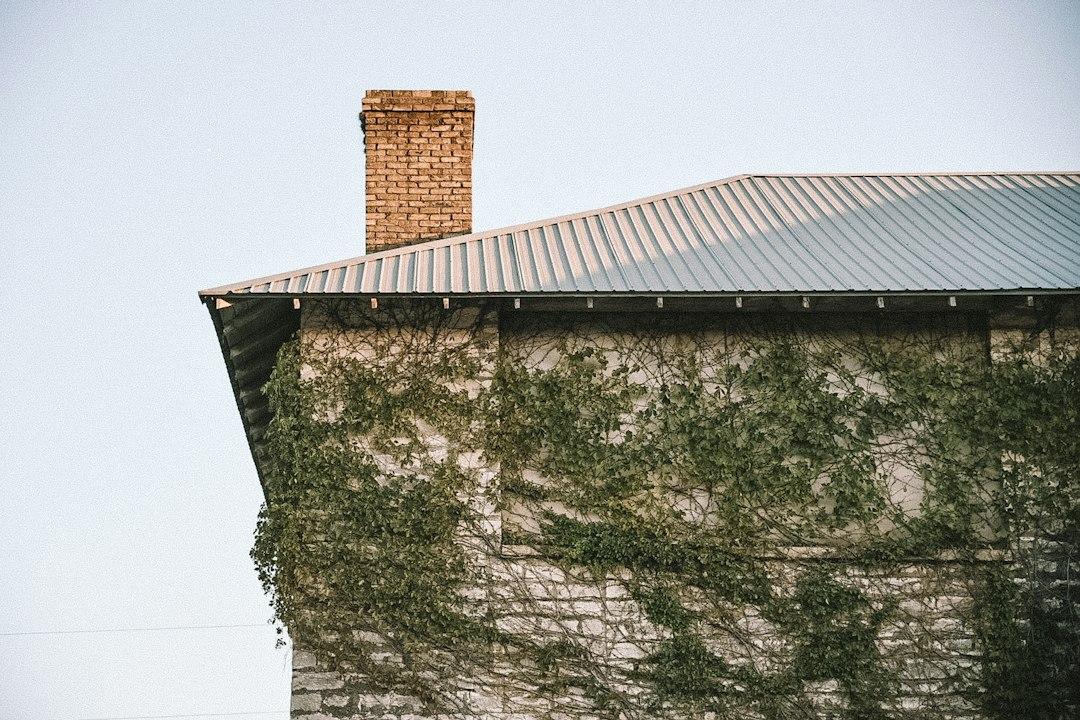
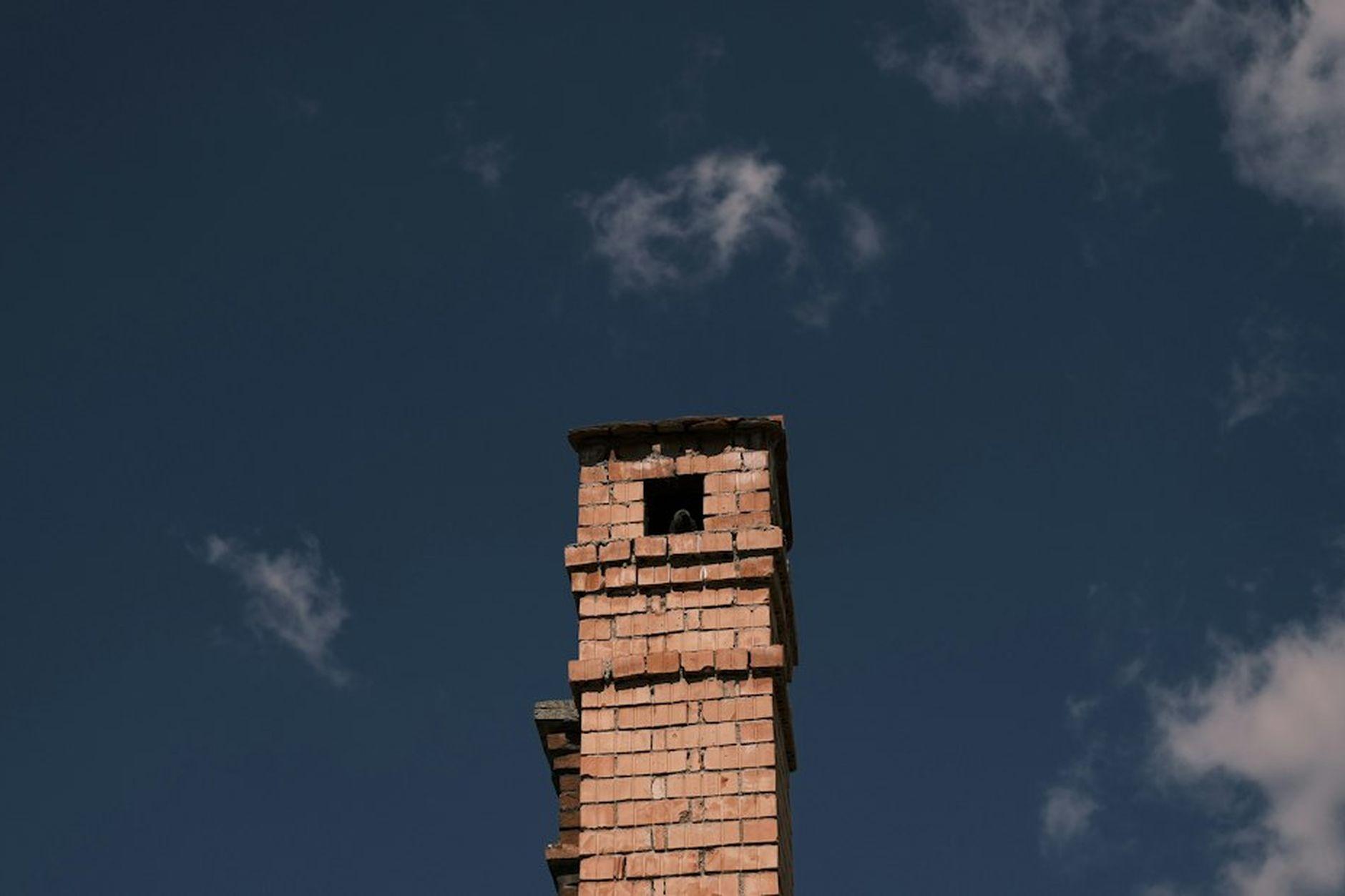
The top of the chimney is out of sight
Most new homeowners never see the top of their chimney. It sits above the roofline, hidden from the yard, and it does its job quietly until something goes wrong. Two parts up there matter more than the rest: the crown and the cap.
This post explains what each one does, how they fail, and how Allard Chimney Group prices each in West Covina. Neither has a printed figure.
Two parts, two jobs
The crown is the slab of concrete or mortar poured over the top of a brick chimney, with the flue tile standing up through the middle. It is there to stop rain soaking down into the brick, so it should slope outward and hang slightly past the edge of the brickwork.
The cap is the metal cover above the flue opening. Its solid top stops rain falling into the flue, and its mesh sides keep out birds, squirrels and leaves while letting smoke escape. The mesh also catches larger sparks before they can land on the roof.
A metal chimney, the kind built for many factory-made fireplaces, has a cap too but no masonry crown. Its top is a metal sheet called a chase cover, which has its own service page.
How each one fails
Crowns crack. Plenty were finished with a thin coat of mortar instead of a properly formed slab, and summer heat followed by winter rain opens small cracks every year. Water gets in, the cracks widen, and pieces eventually loosen. Strong shaking can split a crown outright.
Caps rust, blow loose or go missing. Santa Ana winds can work a poorly fastened cap free, and a thin galvanized cap can rust through in a few seasons. Some houses never had one at all.
Signs you can spot from inside
You do not need to climb onto the roof to suspect a problem. Inside the house, watch for:
- water in the firebox after rain, or a damp smell from the fireplace,
- rust on the damper or rust flakes on the hearth,
- bird sounds, or nesting material dropping into the firebox,
- brick crumbs or bits of concrete on the ledge behind the damper,
- a stain on the ceiling or wall near the chimney.
Spot even one of them, and book a look at the top before the next storm.
What sets the price of a cap
A new cap from us is quoted after we measure. Caps differ because chimneys differ:
| Cap job | Effect on the price |
|---|---|
| One flue, common size | Simplest job: a stainless cap fitted over a single round or square tile |
| Odd size or tall tile | A cap made to measure |
| Two or more flues on one chimney | One large cover over the whole top, built to fit the crown |
| Copper or decorative finish | Material cost lifts the price |
| Steep or high roof | More setup to reach the top safely |
A single-flue house is usually the simplest job. You get the price in writing before we fit anything. More detail is on our chimney cap page.
How a crown is priced
Crown work has no printed figure, because crowns vary too much in size and condition for one number to mean anything. What we measure:
- how wide the chimney top is, and the number of tiles poking through it,
- whether the cracks are fine surface lines or run all the way through,
- whether the slab is still bonded to the brick or rocks when pressed,
- whether the brick just below the crown is sound.
Fine surface cracks can often be kept in check with a coating made for crowns. A crown that is loose, crumbling or split through is broken off and poured again with a proper slope and overhang. Our crown repair page covers the work.
To get a written figure, use the quote form with your address and anything you have noticed inside, such as water in the firebox or rust on the damper. We arrange a visit to measure, then send the price in writing.
Doing both at once
Many owners have the crown and the cap done in one visit. The cap often has to come off for crown work anyway, and a new crown under an old rusted cap is half a job. If the chimney is overdue for a sweep, from $445, that can happen the same visit so the flue is clear before the top is sealed.
If you have not had the chimney inspected since moving in, our post on first chimney inspection costs explains the two levels, and a camera inspection will show whether water from a failing crown has already reached the flue.
What you get after the work
When the job is finished you receive photos of the top before and after, a note of the materials used and, for a new crown, the slope and overhang it was formed with. Keep them with the house papers. A future buyer's inspector will look at the top of the chimney, and a dated record of a new cap or crown answers the question before it turns into a repair request. It also tells the next sweep what was done and when.
Keeping it simple
The top of the chimney is the part you are least likely to see and the part rain hits first. If any of the signs above sound familiar, set up a look through our contact page, and we will explain what we find in plain words.
Want This Explained for Your House?
Allard visits owners who are new to fireplaces, names each part on the spot and writes down what we find. Bookings come from West Covina, El Monte, San Dimas, Glendora and the towns around them.